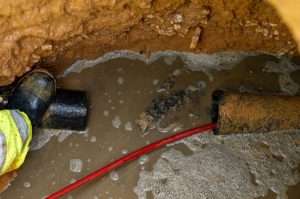
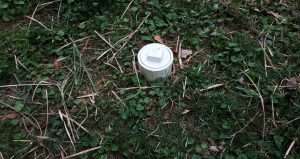
If your outside drain is backing up and you can see sand near the opening, you’re dealing with a mechanical blockage. Sand does not dissolve like grease or soap scum. The fastest fix is to remove as much sand as possible from the top (scoop + wet vac), then flush the line in controlled bursts so you don’t pack the sand deeper.
First, confirm this is your drain (and safe to work on)
If the drain is in the street or curb line, treat it like municipal infrastructure. Do not climb into it or try to clear it with tools. Report it to your city instead. If the drain is on your property (yard drain, area drain, downspout tie-in, driveway drain), you can usually do a basic surface cleanout safely.
If there’s standing water close to the foundation, water entering the basement, or the drain ties into a sump system, it’s worth calling a pro earlier because improper flushing can send water where you don’t want it.
If you need a plumber in Newark and nearby areas, start with our drain cleaning service so you can get a proper diagnosis and clearing method.
Why sand clogs outdoor drains
Outdoor drains clog with sand for a few common reasons: soil erosion, landscaping work, paver sand washing into grates, downspouts dumping grit into a line, or a low spot where sediment settles. Sand is heavy, so it settles in elbows and low sections of pipe. If you snake too early or blast a lot of water all at once, you can compact the sand into a tighter plug.
What works (and what usually doesn’t) for sand blockages
| Method | Works for sand? | Best use case | Main risk |
|---|---|---|---|
| Scoop + wet/dry vac | Yes | Visible sand at the opening or catch basin | Minimal |
| Short bursts of hose flushing | Yes | After you remove most sand | Packing sand deeper if you flood it |
| Hand auger/snake | Sometimes | Only after bulk sand is removed | Compacts sand if used too early |
| Chemical drain cleaners | No | Not effective on sand | Can damage plumbing and create hazards |
| Pressure washer down the pipe | Sometimes | Limited use at the basin only | Can push debris deeper or damage fittings |
If the clog isn’t sand, the approach changes. Leaves and mulch are usually a surface cleanout. Mud/clay may need jetting. Roots often require a cutting head and follow-up cleaning. For stubborn or recurring clogs, hydro jetting is often the fastest way to restore full flow.
Tools and supplies (simple list)
| Item | Why it helps |
|---|---|
| Gloves + eye protection | Sand and grit splash easily |
| Small scoop or trowel | Removes packed sand at the top |
| Bucket | Keeps debris out of the yard and out of the pipe |
| Wet/dry shop vac | Pulls loose sand out without pushing it deeper |
| Garden hose with nozzle | Controlled flushing after you vacuum/scoop |
| Basic hand auger (optional) | Only if the line still won’t take water after cleanup |
How to clear an outside drain blocked with sand
- Remove the grate and clear the top. Pull the grate and remove leaves, mulch, and visible debris first. If the opening is packed with sand, break up the crust with a small tool and start scooping it into a bucket.
- Vacuum loose sand instead of washing it deeper. Use a wet/dry shop vac to pull out the loose sand. Get the nozzle as close to the sand as possible. This is usually the step that makes the biggest difference.
- Flush in short bursts, not a constant flood. After you’ve removed most sand, run water in short bursts to move remaining grit through the line. If water immediately backs up, stop and go back to vacuuming. The goal is to move small amounts, not force a big slug of sand deeper.
- Only snake after the bulk sand is gone. If the drain still won’t take water after scoop + vac, try a hand auger or drain snake. Go slowly. If you hit resistance that feels like packed sand, back out, vacuum again, then retry.
- Test flow and watch where the water goes. Once it starts draining, run water for a few minutes to confirm it keeps up. If it drains for a bit and then slows again, you likely still have sediment in the line or a low section where sand settles.
- If it keeps backing up, stop and get it inspected. Recurring sand clogs can mean the pipe has a belly (low spot), a crushed section, or soil infiltration. That’s when professional drain cleaning or jetting makes sense. If you’re not sure whether snaking or jetting is right, this comparison can help: hydro jetting vs snaking.
A quick “what you’re seeing” chart
| What you notice | Likely cause | Best next step |
|---|---|---|
| Sand visible at the drain opening | Sediment settling in basin | Scoop + wet vac, then short flush bursts |
| Water backs up immediately with any hose water | Tight plug or packed sand | Vacuum more, then try gentle auger |
| Clog returns after every storm | Erosion/runoff feeding the drain | Add a basket/guard and address runoff source |
| Sinkholes, soft spots, or constant settling | Pipe damage or washout | Professional inspection and possible repair |
If you’re seeing ground settlement or persistent problems, take a look at sewer repair services and schedule an evaluation.
How to prevent sand from coming back
If sand keeps showing up, focus on the source. Many outdoor drain “clogs” are really a sediment supply problem.
A drain guard or basket at the grate helps because it catches sand before it enters the pipe. You also want to reduce erosion and paver sand wash-in. Ensure that gutter screens are functioning properly and that downspout connections aren’t allowing debris to enter the drain if they are connected to the same line.
If your issue is a storm inlet or a drainage setup that fills with sediment, this guide may help with general maintenance ideas: how to clean a storm drain.
When to call a plumber
If you’ve vacuumed and flushed carefully and it still won’t drain, or the blockage keeps returning, you’re past the simple DIY stage. Call for service if the drain backs up near the foundation, if water is entering your home, if you suspect roots or a collapsed line, or if you’re unsure where the line discharges.
For urgent backups, use our 24-hour emergency plumber page. For recurring outdoor drain clogs, start with professional drain cleaning so the line can be cleared fully and checked for underlying issues. If you’re ready to schedule, use our contact page to request service.
Common questions (straight answers)
Can you dissolve sand in a drain?
No. Sand is not a substance that drain chemicals “dissolve.” The reliable approach is to remove it mechanically (scoop/vacuum) and then flush what’s left in small amounts.
Is a pressure washer a good idea?
It can help rinse a catch basin, but forcing a pressure washer nozzle down a pipe can push debris deeper or damage fittings. If you use pressure, keep it controlled and focused on surface cleanup.
Why does my outside drain keep filling with sand?
Most of the time it’s runoff or erosion feeding sediment into the drain. In some cases it’s a pipe issue (a low spot where sand settles, or damage that allows soil to enter). Repeated clogs are a good reason to schedule professional service.