How to Clean a Storm Drain in Newark, OH
Storm drain clean out usually means removing leaves, trash, and sediment from the surface of the grate and the curb line nearby so water can enter the inlet. For safety, do not remove the grate or try to clean inside the catch basin. If water is ponding in the street after you clear surface debris, report it to the City.
If the drainage issue is on your property (yard drain, catch basin, trench drain, or buried storm line), that’s typically a homeowner’s responsibility. That’s where a plumber can help with inspection, cleaning, and repairs.
Quick safety and responsibility check
Most “storm drains” people see are public curb inlets or catch basins along the street. Use this decision chart to pick the right next step:
If the drain is in the street or at the curb, only clean surface debris. If there is standing water or visible damage after that, report it. If the drain is on your property, start with a safe surface cleanout. If it’s still blocked, call a plumber.
Tools you actually need for a DIY storm drain clean out
DIY tools (for surface cleaning only):
- Rake or stiff broom
- Dustpan, shovel, or small flat shovel
- Heavy gloves
- Trash bags or a bucket
- Closed-toe shoes
- Reflective vest if you’ll be near traffic
What not to use:
- Chemicals (they can wash into stormwater systems)
- Pressure washing into the inlet
- Anything that requires lifting the grate or reaching into the catch basin
Step-by-step: how to clean a storm drain safely
1) Pick the right time
Clean before rain (so water can enter) or after rain (when debris accumulates). Avoid cleaning during an active storm.
2) Set up for safety
Stay visible, work from the sidewalk or curb when possible, and avoid standing water in the roadway. If the area feels unsafe, stop and report it.
3) Clear the curb line first
Clear debris along the curb line near the drain so leaves don’t wash right back in. A good rule is about 10 feet on each side of the inlet when you can do it safely.
4) Clear the top of the grate
Sweep or rake debris off the grate and collect it into a dustpan, bucket, or bag. Do not push material into the drain.
5) Bag and dispose of debris
Put leaves and yard waste where your local rules require, and place trash and litter in the garbage. Keep it out of the street so it doesn’t blow back into the inlet.
6) Check flow (without touching the grate)
If rainwater is present, you should see water moving toward the inlet. If the inlet still won’t take water and you see ponding, treat it as a reporting issue.
7) Stop if you see hazards
If you see sharps, hazardous materials, or anything unsafe, stop and report it rather than handling it yourself.
If the storm drain is still clogged after you clean the surface
If you cleared the curb line and the grate surface and there is still standing water, the blockage is usually below the grate or farther down the line.
If it’s a street or curb inlet, report it to the City. If it’s a private drain on your property, you may need professional cleaning or inspection. For severe buildup or repeat clogs on private lines, a plumber may recommend hydro jetting service.
Storm drain cleanout vs sewer cleanout (common confusion)
These terms get mixed up, and they are not the same.
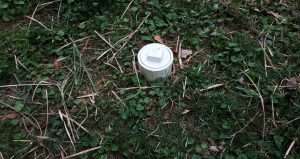
A storm drain, curb inlet, or catch basin collects rainwater and street runoff. A storm line cleanout is a capped access point for a storm drainage line on your property. A sewer cleanout is a capped access point for your home’s sanitary sewer line.
If your issue involves indoor drains backing up, that’s usually not a storm drain problem. In that situation, you typically need drain cleaning in Newark, OH.
Maintenance schedule chart (simple planning)
| Season | What to do | Why it matters |
|---|---|---|
| Spring | Clear curb line and grate surface after heavy rains | Debris moves fast during storms |
| Summer | Spot-check after mowing or yard work | Clippings and mulch wash toward inlets |
| Fall | Clean more often during leaf drop | Leaves are the most common surface blocker |
| Winter | Don’t chip ice into the inlet; report ponding or icing issues | Ice and slush can create hazards |
When to call a plumber (private drainage) vs when it’s an emergency
Call a plumber when:
- Your yard drain or catch basin is full and won’t drain
- You need a camera inspection to find a break, root intrusion, or collapsed section
- The drain needs professional cleaning (snaking or jetting) on private lines
A good starting point is professional drain cleaning, and if the issue is more severe, high pressure drain cleaning may be the next step. If you want an estimate or an on-site diagnosis, schedule service.
Call an emergency plumber when:
- Water is entering the home
- You have an active backup or flooding situation that needs same-day action
If that’s happening, contact an emergency plumber in Newark, OH.
FAQs
How do you clean a stormwater drain?
Clear debris from the curb line and the surface of the grate, bag it, and dispose of it properly. Do not remove the grate or reach into the catch basin. If standing water remains after surface cleaning, report it.
How do you clear a clogged storm drain?
For a street storm drain, you can only safely clear surface debris. If it’s still clogged (water ponding), report it. For private drains on your property, a plumber may need to inspect and clean the line.
What is the best method of storm drain cleaning?
Start with dry cleaning: remove debris and sediment by hand using a broom, rake, shovel, or vacuum equipment where appropriate. Wet cleaning like jetting or flushing is typically performed by trained crews and is more common for private lines or municipal maintenance.
What if I need to dig to fix a private drain line?
If you’re planning excavation on your property and need more certainty about buried lines, consider private utility locating.