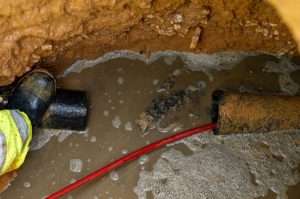
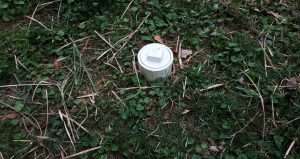
A dry well can be a solid option for sump pump discharge when you need to move water away from the foundation and you do not have a practical “daylight” discharge point. The concept is simple: your sump pump sends water through a solid discharge line to an underground chamber surrounded by stone, where the water can soak into the surrounding soil. If you want help sizing or installing the system, see our sump pump services in Newark, OH.
Before you start, confirm your yard can actually absorb the water. If you have heavy clay soil, a seasonally high water table, or frequent standing water, a basic dry well may stay saturated and overflow often. In those cases, you may need a larger infiltration system, multiple units, an overflow to daylight, or a different discharge method. If you’re dealing with active water intrusion or flooding, contact an emergency plumber in Newark, OH so you can stop damage quickly.
When a dry well is a good fit (and when it’s not)
A dry well tends to work best when you have reasonably well-draining soil and enough space to keep discharge away from the house.
A dry well may be a good fit if:
You can place it at least 10 feet from the foundation.
Your yard drains well after rain.
You have a place to run a discharge line with consistent slope.
You can add an overflow point (pop-up emitter or daylight outlet) for heavy storms.
A dry well may not work well if:
Your soil is mostly clay and stays wet for days.
The area has a high water table or seasonal flooding.
Your sump runs frequently and moves a lot of water (the system can stay saturated).
Freezing is a recurring issue and your discharge line is shallow or holds water.
If you’re unsure whether your property can handle a dry well, it can be faster and cheaper to have a pro evaluate it before you dig. You can schedule sump pump service and we’ll help you choose the best discharge approach.
Materials and tools
Common materials
4″ solid PVC (or SDR) pipe for the discharge run
PVC fittings (couplings, elbows, glue/primer)
Cleanout tee + threaded cap (strongly recommended)
Dry well unit or chamber (rated for burial)
Landscape fabric (non-woven is common)
Washed stone (do not use dirty gravel)
Topsoil and sod/seed for restoration
Pop-up emitter or overflow outlet (recommended)
Tools
Shovel and digging bar (or rental trencher for longer runs)
Level (2′ or 4′) or a string line level
Tape measure and marking paint/flags
Utility locate markings (call 811 before digging)
Wheelbarrow, rake, gloves, safety glasses
If you need help identifying or locating lines beyond standard public markings, our private utility locating service can help reduce the risk of hitting something you did not expect.
Simple layout diagram (for planning)
House → Sump discharge outlet → Solid discharge pipe → Cleanout tee → Dry well chamber (stone + fabric) → Overflow (pop-up emitter/daylight)
This layout keeps the run serviceable and gives heavy storm water a controlled “escape route.”
10 steps to install a sump pump dry well
1) Choose the location and confirm setbacks
Pick a spot at least 10 feet from the foundation and away from known utilities. You want enough room to excavate the chamber, add stone, and still maintain slope from the house to the dry well.
If your yard slopes toward the house, do not place the dry well uphill where water can migrate back toward the foundation. Choose a location that naturally encourages water to move away.
2) Plan the discharge path and mark the trench line
Mark the route from your sump discharge to the dry well. Keep the run as straight as possible and avoid low spots where water could collect inside the pipe.
If you already have a discharge line, confirm it’s solid pipe (not perforated). The discharge line should carry water to the dry well, not leak water along the route.
3) Call 811 and verify utilities before digging
Before any excavation, get utilities marked. This is not optional. A trench only needs to be a few inches off to hit something you did not expect. If you want extra certainty on private lines, consider utility locating before digging.
4) Dig the dry well hole first
Start with the dry well excavation so you know the finished depth and can set the trench slope correctly.
A common approach is a hole around 4 feet deep (depth varies by product and soil), wide enough to fit the chamber and leave room for stone around it. If you are in a wet area, you may hit water during digging. That is a warning sign that infiltration may be limited.
5) Dig the trench from the discharge point to the dry well
Dig the trench from the sump discharge to the dry well location. The key is a consistent pitch toward the dry well so water does not sit in the pipe.
For many installs, a practical target slope is:
About 1/4 inch per foot of run (when feasible)
If you cannot maintain slope because of grade limitations, you may need to adjust the route, lower the dry well location, or consider a different discharge method.
6) Line the hole (and trench where appropriate) with landscape fabric
Landscape fabric is what keeps soil from migrating into your stone and clogging the void space over time.
Line the excavation so fabric separates native soil from stone. Leave enough excess fabric to fold over the top stone layer before backfilling.
7) Add a base layer of washed stone
Put a layer of washed stone in the bottom of the hole so the chamber sits on a stable, draining base. Avoid limestone fines, dirt-laced gravel, or anything that can compact and reduce water movement.
8) Set the dry well chamber and connect the discharge pipe
Lower the dry well unit into place and level it. Then run your solid discharge pipe into the chamber inlet.
Include a cleanout tee along the run (usually closer to the house or at an accessible spot) so you can flush the line or clear debris without digging the pipe back up.
Key checks before you glue everything:
Pipe enters the chamber cleanly and securely
Slope is consistent all the way to the dry well
Connections are tight and aligned (no bellies in the run)
9) Add stone around the chamber and install an overflow
Surround the chamber with washed stone per the manufacturer guidance. This creates storage and infiltration space around the unit.
Add an overflow option so the system has a controlled exit when the ground is saturated:
Pop-up emitter at a lower point in the yard, or
A daylight discharge point where water can safely flow away
This is one of the most common missing pieces. Without overflow, a saturated dry well can back up the discharge line and reduce sump performance during heavy rain.
10) Wrap fabric, backfill, and restore the surface
Fold the landscape fabric over the top stone layer to reduce soil intrusion. Then backfill with soil, compacting lightly in lifts so the surface does not sink later.
Finish with topsoil and seed/sod. Keep the area graded so surface water does not pool directly over the dry well.
If you’d rather have this installed professionally, see our sump pump installation and replacement options.
Dry well placement and sizing guidance
Sizing depends on soil, pump output, and how often the pump runs. If your sump runs frequently, undersizing is the main reason a dry well fails.
Rule-of-thumb planning factors
How long the pump runs during heavy rain events
Soil drainage (fast, moderate, slow)
Available yard area and setback limitations
Need for overflow routing
Quick sizing table (starting point)
| Scenario | Soil drainage | Typical approach | Notes |
|---|---|---|---|
| Occasional sump cycles | Moderate/Fast | Single chamber + overflow | Usually works if slope + overflow are right |
| Frequent cycles | Moderate | Larger chamber or 2 units in series + overflow | Plan for saturation during long storms |
| Heavy clay / slow drainage | Slow | Dry well plus daylight overflow (or alternative) | Dry well alone often stays saturated |
Cost snapshot (DIY vs pro)
Costs vary with digging difficulty, yard access, pipe length, and whether you need multiple chambers.
| Item | DIY range (materials) | Pro-installed range (typical) | What moves the price |
|---|---|---|---|
| Dry well chamber + stone + fabric | $200–$900 | Included | Chamber size, stone volume |
| Solid discharge line + fittings | $50–$250 | Included | Distance, fittings, cleanout |
| Overflow emitter/daylight outlet | $30–$150 | Included | Longer run = more cost |
| Labor/equipment | Rental $100–$400 | $800–$2,500+ | Trencher access, digging conditions |
If your site is hard digging (rocks, roots, tight access), pro install often becomes the safer choice. You can book sump pump installation to get a quote and recommendations specific to your yard.
Comparison chart: dry well vs other discharge options
| Option | Best for | Weak spot |
|---|---|---|
| Dry well (with overflow) | No easy daylight outlet, decent soil | Can saturate in heavy rain or clay |
| Daylight discharge | Most reliable when possible | Needs a safe downhill outlet |
| Pop-up emitter only | Short runs, moderate flow | Can surface-flood if emitter is too close or ground is saturated |
| Storm connection (where allowed) | Some neighborhoods/municipal systems | Not always legal/allowed; needs proper approvals |
Maintenance and troubleshooting
A dry well system is not “set it and forget it.” A little maintenance prevents the most common failures.
Check these at least once per season:
Run the sump and confirm strong flow at the outlet/overflow
Inspect the pop-up emitter for silt or blockage
Confirm the discharge line is not holding water (freeze risk)
Look for sinking soil above the dry well (may need regrading)
Common problems and what they usually mean:
Water backs up toward the house: dry well saturated, clogged line, or no overflow path
Emitter pops up constantly: system is undersized or soil is not infiltrating
Line freezes in winter: poor slope, low spot holding water, or shallow pipe depth
Silt buildup: lack of filtration or soil intrusion into the stone (fabric issue)
If you suspect a blocked line or a broader drainage problem, you may also need professional drain cleaning to restore flow, especially if you’re seeing slow drains or backups inside the home.
Frequently asked questions
Can a sump pump drain into a dry well?
Yes, it can, as long as the dry well is sized appropriately and installed with proper slope, stone, and a plan for overflow during heavy rain. The goal is to keep water moving away from the foundation without allowing the system to back up.
How far should a dry well be from the house?
A common minimum is 10 feet from the foundation. More distance is often better when yard layout allows it, especially if your soil drains slowly.
How deep should a dry well be?
Depth depends on the dry well unit you use, soil conditions, and your ability to maintain slope from the discharge point. Many installs use a hole around 4 feet deep, but the right depth is the one that fits the chamber and provides stone volume while staying above problematic groundwater.
Do I need an overflow if I have a dry well?
In most real-world yards, yes. During long or heavy storms, soils can saturate. An overflow (pop-up emitter or daylight route) prevents backpressure on the discharge line and helps the sump system perform when you need it most.
When to call a pro in Newark, OH
If your sump runs often, your yard stays wet, or you’re unsure about soil drainage and sizing, it’s easy to spend money on a dry well that still overflows. Newark Water Heaters & Drains can evaluate your site, recommend the right discharge approach, and install the system so it drains reliably. Start here: sump pump repair and installation or schedule an inspection.
If you want, I can also add a short “Related resources” block at the end that links to your crawl-space sump pump article and storm drain cleaning article (good for topical clustering), but I didn’t add it here to keep the linking tight and conversion-focused.
Related resources
If you’re still deciding on the best way to route sump water—or you’re dealing with a tough crawl space setup—these guides can help.
- sump pump in a crawl space (crawl space sump pump installation tips, placement, and common mistakes)
- how to clean a storm drain (simple maintenance steps to keep yard drainage moving during heavy rain)